The honest health picture
Bichon Frise Health Problems and Lifespan
A cheerful, sturdy little dog that commonly lives 14 to 15 years, with a short, well-understood watch-list. Here is every Bichon health problem worth knowing, told straight, with the Singapore-specific bits and the head start each of our puppies gets.
Nelson and Kim, Curious Tails · AVS licence AS24J00046
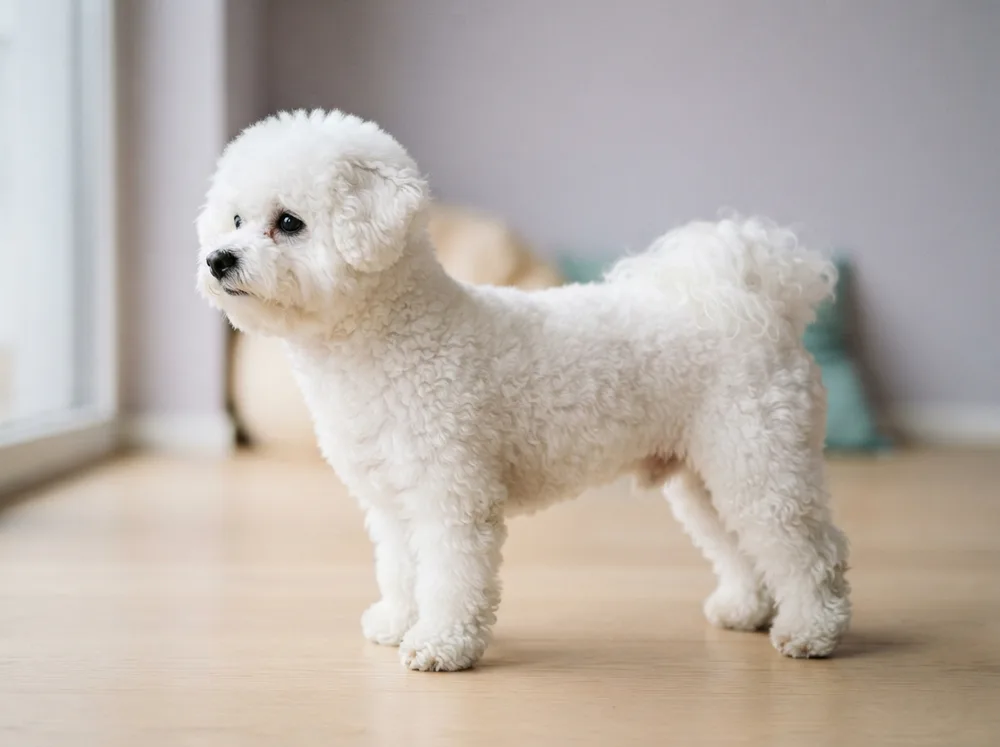
How long do Bichon Frises live, and are they healthy?
The Bichon Frise is a generally healthy small breed with a life expectancy of about 14 to 15 years, and many reach their late teens. The conditions to know are mostly manageable with early care: patellar luxation, itchy skin and allergies, bladder stones, dental disease, and eye and ear problems.
Built to live 14 to 15 years
How long do Bichon Frises live, and what drives it
Here is the honest headline before the detail. The Bichon Frise lifespan is long for a dog, with a life expectancy of roughly 14 to 15 years, and plenty of well-kept Bichons reach their late teens. The numbers online do wobble, and it helps to know why. A large 2024 UK study put the breed average nearer 12.5 years, most vet breed guides say 14 to 15, and proud owners in the forums will show you a 17-year-old still bouncing. The sober way to read all of that is simple: plan your life around 14 to 15 years of company, hope for more, and let good care decide where in the range your dog lands.
Because that is the real point. A Bichon is a generally healthy small breed, not a fragile one, and most of what shortens or stretches the years is inside your control. Keeping your dog lean is the single biggest lever, since carrying extra weight strains the joints and raises the risk of other trouble. After that it is steady dental disease prevention, a sensible diet, enough daily movement, and never skipping the annual vet visit that catches small things while they are still small. Do those unglamorous things and a Bichon rewards you with one of the longer companionships in the dog world.
Bichon health at a glance
- Life expectancy: about 14 to 15 years
- A generally healthy, sturdy small breed
- Considered senior from around 9 to 11 years
- Top levers: lean weight, dental care, early vet checks
- Main watch-list: skin, knees, bladder, teeth, eyes, ears
- Most predispositions are manageable when caught early
The Bichon predispositions, at a glance
No breed comes without a watch-list, and being straight about the Bichon’s is part of looking after one well. The good news is that the list is short, well understood, and mostly made of conditions that respond to early attention. Here is the honest overview of the common bichon frise health problems that the vet guides broadly agree on, from the Bichon Frise Club of America to the everyday clinic: what each condition is, the signs that should make you look twice, and how the work splits between us before your puppy comes home and you across its life. The sections below then take the big ones one at a time.
| Condition | Signs to watch for | What we and you do |
|---|---|---|
| Patellar luxation | A skip or hop in a back leg, a leg briefly held up | We start from sound parent lines; you keep the dog lean and see a vet if the hop persists |
| Atopic dermatitis and allergies | Itchy skin, licking paws, redness, recurring rashes | You keep the coat and skin clean and dry; a vet settles flare-ups early |
| Bladder stones and UTIs | Frequent or straining to urinate, blood in urine, accidents | You watch water and toileting; a vet tests urine. Straining with no urine is an emergency |
| Dental disease | Bad breath, tartar, red gums, reluctance to chew | You brush at home and we plan the routine; a vet scales as needed |
| Cataracts and eye issues | Cloudy eye, bumping into things, blocked tear ducts and staining | You watch the eyes; a vet checks vision at the annual visit |
| Ear infections | Head shaking, scratching ears, odour, brown discharge | You keep the drop ears dry and checked; a vet treats infections |
| Cushing’s disease (rarer, older dogs) | More drinking and urinating, pot belly, thin coat | A vet diagnoses and manages it; you flag the changes early |
| Legg-Calve-Perthes (rarer, young dogs) | A growing limp on a back leg, wasting thigh muscle | A vet diagnoses; treatment is usually very effective |
Slipping kneecaps: patellar luxation and its rarer cousin
The orthopedic condition to know in almost any toy or small breed is patellar luxation, which is the polite name for a slipping kneecap. The kneecap normally rides in a groove at the front of the back leg. In some small dogs that groove is shallow, so the kneecap pops out of place and then slides back. You usually spot it as a sudden little skip or hop mid-walk, sometimes a back leg held up for a stride or two before the dog carries on as if nothing happened.
Vets grade it from mild to severe. Many mild cases never need surgery at all and are managed by keeping the dog lean, keeping the muscles strong with sensible exercise, and simply keeping a watchful eye on it, which is one more reason the weight advice above matters so much. More severe grades can wear the joint over time and are corrected with a well-established operation that most dogs recover from beautifully. The rarer joint condition worth naming is Legg-Calve-Perthes, which affects the hip in some young small dogs when the top of the thigh bone loses its blood supply. It shows as a growing limp in a puppy or adolescent, and the encouraging part is that treatment, usually surgical, has an excellent track record.
A slipping kneecap sounds alarming, but many mild cases are managed with nothing more than a lean body and a watchful eye.
Itchy skin and allergies, and why our humidity matters
If a Bichon is going to have a health niggle, the skin is the likeliest place, and the breed’s own club puts skin and allergies at the very top of its list. The condition behind most of it is atopic dermatitis, an inherited tendency to react to everyday things in the environment, dust mites, pollens and mould, with itchy skin rather than a sneeze. An itchy Bichon licks and chews its paws, rubs its face, and scratches enough to break the coat and redden the skin. Once the skin is broken, yeast and bacteria move in and make the whole thing worse.
This is where Singapore earns a paragraph of its own. Our year-round humidity and warmth are exactly the conditions that skin yeast and mould love, so a tendency that might simmer quietly in a dry climate can flare more readily here. None of that is a reason to avoid the breed, it is a reason to stay ahead of it: keep the coat clean and dried right through after baths and rainy-day walks, never let a damp curly coat sit against the skin, and treat the first signs early instead of waiting for a full flare. Our grooming guide covers the coat and skin routine in detail, and our shedding and allergy page handles the separate question of human allergies honestly.
See a vet early for a skin flare
Skin problems are far easier to settle early. Book a vet visit rather than waiting for the itch to take over if you see:
- Constant licking or chewing of the paws or skin
- Red, raw or smelly patches, or hair loss
- Scabs, spreading rashes, or thickened darkened skin
- An itch that is clearly stopping your dog from resting
Dental disease: the small-breed tax
Here is the condition almost every small breed owner underestimates, and the one that quietly does the most damage over a long life: dental disease. Small dogs like the Bichon carry a full set of teeth in a small mouth, so the teeth sit close together, trap food and plaque, and build tartar faster than a big dog’s roomier jaw. Left alone, that tartar inflames the gums, works under them, and in time loosens teeth and sends bacteria into the bloodstream, which is why dental care is really whole-body care rather than vanity.
The fix is unglamorous and it works. Get your Bichon used to having its teeth brushed as a puppy, keep it up several times a week for life, use vet-approved dental chews as a helper rather than a substitute, and let the vet scale the teeth under anaesthetic when they judge it is time. Start young and the habit is easy and the bills stay small; start at eight years old and both are harder. Our Bichon dental care routine walks through the whole thing step by step, from choosing a toothpaste to making the daily minute something your dog actually tolerates.
Bladder stones and urinary infections
The Bichon is one of the breeds more prone to bladder stones, the small mineral stones that form in the bladder, along with the urinary tract infections that often travel with them. You will usually notice the early signs as a change in toileting: your dog asking to go far more often, passing only small amounts, having accidents after months of being clean, or a tinge of blood in the urine. Some stones are dissolved with a special diet, others are removed surgically, and infections clear with antibiotics once a urine test shows what is going on, so an early vet visit at the first odd sign genuinely saves trouble.
There is one version of this that is never a wait-and-see, and every Bichon owner should hold it in memory. If a stone lodges and blocks the outflow, the dog cannot pass urine at all, and that becomes life-threatening within hours. A dog crouching and straining in the toilet position with little or nothing coming out, especially alongside restlessness, crying or a hard painful belly, is an emergency and not a "let us see how tomorrow goes".
Emergency: straining to urinate with nothing passing
A dog that is straining to urinate but producing little or no urine may have a blockage, which turns life-threatening fast. Go to a vet or an emergency clinic straight away if you see:
- Repeated straining or crouching with no urine, or only drops
- Crying out, restlessness, or a tense painful belly
- Vomiting or collapse alongside the straining
- When in any doubt, treat it as urgent and call ahead
Eyes, ears, and a rarer condition to know
Two more everyday areas round out the watch-list. On the eyes, Bichons can develop cataracts as they age, where the lens clouds and vision fades, usually spotted as a bluish or milky look to the eye or a dog growing hesitant on stairs and in dim rooms; many cases are managed and some are helped by surgery. The other eye note is cosmetic more than medical: those bright dark eyes sit above blocked tear ducts in some Bichons, and the overflow is what causes the reddish tear staining the breed is known for. It rarely threatens the eye, but a vet should confirm the staining is plumbing and not a scratch or an infection.
On the ears, the Bichon’s charm works against it a little. Those soft drop ears fold warm air over the canal, and in Singapore’s humidity that warm, damp, dark space is exactly where ear infections begin. Head shaking, scratching at an ear, an odd smell or a brown discharge are the signs. Keeping the ears dry after baths and swims, and having a groomer manage the hair, prevents most of it. Finally, the rarer one worth naming is Cushing’s disease, a hormonal condition of older dogs that makes them drink and urinate much more, take on a pot-bellied look and thin their coat. It is uncommon, a vet manages it well once diagnosed, and your job is simply to flag those changes early.
Eyes and ears: quick home checks
- Glance at the eyes for cloudiness or a new haze
- Wipe tear staining and keep the eye area dry
- Sniff and check the ears weekly for smell or discharge
- Dry the ears after every bath, swim or wet walk
- Watch seniors for extra thirst and toilet trips
- Book a vet check for anything that lingers
Prevention starts before your puppy comes home
Almost everything above is easier, cheaper and kinder to manage when it is caught early or headed off entirely, which is why a good start matters so much. Every one of our Bichons leaves with a full vet health check and its early vaccinations underway on the standard schedule, the first shots at around weeks 6, 8 and 12 with an optional booster near week 16, and it goes home at about nine weeks already microchipped and set up for its AVS licence. Sterilisation is planned for around seven months, and each puppy comes with a starter kit, a free first training lesson and our five-day bring-back promise, so the health basics are handled by people who do this every week at our AVS-licensed shop, licence AS24J00046.
The one piece of prevention we cannot buy for you, and the one we most want you to hear, is pet insurance taken out while your Bichon is young and healthy. Insurers price on age and on pre-existing conditions, so a policy started on a bouncy nine-week-old puppy is both the cheapest and the broadest you will ever get, and it turns a frightening bladder surgery or a dental procedure into a manageable bill rather than an agonising decision. The full cost picture, including what a Bichon really runs across its life, lives on our Bichon price guide. A cheerful, curious mind keeps a dog well too, and our temperament guide covers that side alongside the body.
The reassuring bottom line
A Bichon Frise is a generally healthy companion that commonly lives 14 to 15 years and beyond. The watch-list is real but short and manageable, most of it responds to early attention, and a lean, well-brushed, well-checked Bichon is very likely to give you a long and cheerful run.
When to see a vet, and when to go now
Most of your Bichon’s medical life is quiet: an annual wellness visit where the vet weighs the dog, checks teeth, eyes, ears and joints, updates vaccinations and catches the small things early, plus a senior check twice a year once your dog passes about nine to eleven years of age. That steady rhythm is where the long life expectancy actually comes from, because nearly every condition on this page is easier to treat the day it starts than the month you finally notice it.
Book a normal appointment for anything that lingers more than a day or two: a new limp, an itch that will not settle, bad breath or sore gums, a cloudy eye, a shaking head, or a change in drinking and toileting. Go straight to an emergency vet, without waiting, for straining to urinate with nothing passing, repeated vomiting, collapse, breathing trouble, a seizure, or obvious severe pain. If you are ever unsure which bucket you are in, phone the clinic and describe it, because a two-minute call is always cheaper than a wait.
Nearly every Bichon condition is easier to treat the day it starts than the month you finally notice, which is the whole case for the annual visit.
Keep your Bichon well
Frequently asked questions
How long do Bichon Frises live?
The Bichon Frise has a life expectancy of about 14 to 15 years, which is long for a dog, and many well-cared-for Bichons reach their late teens. Published figures do vary, from a 2024 UK study near 12.5 years to vet guides quoting 14 to 15 and owners reporting 17 to 19, so the honest advice is to plan around 14 to 15 years and let lean weight, dental care and regular vet checks decide where in that range your dog lands.
What are the most common Bichon Frise health problems?
Bichons are a generally healthy small breed, but they are prone to a short, well-understood watch-list: patellar luxation (a slipping kneecap), itchy skin from allergies and atopic dermatitis, bladder stones and urinary tract infections, dental disease, cataracts and blocked tear ducts, and ear infections in their drop ears. Rarer conditions include Cushing’s disease in older dogs and Legg-Calve-Perthes in young ones. Most respond well to early attention.
Why does my Bichon have itchy skin in Singapore?
Skin is the breed’s number-one niggle, and the usual cause is atopic dermatitis, an inherited tendency to react to dust mites, pollens and mould with itchy skin rather than sneezing. Singapore does not help: our year-round humidity and warmth are exactly what skin yeast and mould thrive in, so flare-ups come more readily here. Keep the coat clean and fully dried, never let a damp coat sit on the skin, and see a vet at the first raw or smelly patch rather than waiting.
Why is my Bichon straining to urinate, and is it an emergency?
Frequent squatting, small amounts, accidents or blood in the urine usually point to a bladder stone or urinary tract infection, which needs a prompt vet visit and a urine test. But a dog that is straining to urinate with little or nothing passing may have a blockage, and that is a genuine emergency that can become life-threatening within hours. Do not wait overnight: go to a vet or emergency clinic straight away, especially if there is crying, restlessness or a hard painful belly.
Should I get pet insurance for a Bichon puppy?
Yes, and the best time is now, while the puppy is young and healthy. Insurers price on age and exclude pre-existing conditions, so a policy started on a nine-week-old is the cheapest and broadest cover you will ever get. It turns the two most likely big Bichon bills, a bladder surgery or a dental procedure, into something manageable rather than an agonising choice. Our Bichon price guide sets out the wider lifetime cost picture.
What do Bichon Frises usually die from?
Most Bichons live to a good age and pass from the ordinary conditions of old age rather than a breed-specific killer. In their senior years, heart valve disease is a common contributor, which is one reason the twice-yearly senior check matters once your dog is past nine to eleven years. Day to day, the conditions to stay ahead of are the manageable ones on this page, and staying lean with good dental and preventive care is what most reliably lengthens the years.
What health check and vaccinations do your puppies come with?
Every Bichon leaves our shop with a full vet health check and its vaccinations underway, with the first shots at around weeks 6, 8 and 12 and an optional booster near week 16. Puppies go home at about nine weeks already microchipped and set up for their AVS licence, with sterilisation planned for around seven months. Each also comes with a starter kit, a free first training lesson and a five-day bring-back promise. We are an AVS-licensed shop, licence AS24J00046.
Meet your Bichon
Come say hello at Balestier
2 Balestier Road #01-701, Singapore 320002 · Weekdays 12pm–6pm · Weekends 10am–6pm. Or message us first: tell us about your home and routine, and we'll tell you honestly if a Bichon fits.
Meet a healthy, well-started puppy
Every Bichon in our shop leaves with a vet health check, vaccinations underway and our five-day bring-back promise. See who is looking for a home right now.
See available puppies